Mar 20, 2010

Global's H1N1 Update news 20.3.2010


Influenza A (H1N1) Cases and Deaths*

*Cases reported by The World Health Organization (WHO) are as of March 7, 2010

National News

The Canadian government has announced it is planning to overhaul its vaccine supply system. GlaxoSmithKilne, the only company with a flu vaccine plant in Canada, is the government’s sole flu vaccine supplier. The single-source system came about when officials worried that a pandemic outbreak would prompt countries to close their borders, blocking potential vaccine shipments. GlaxoSmithKine ran into production delays last year with its H1N1 vaccine, and its ten-year contract expires next year. In a notice to the drug industry, health officials said they wanted to consider “a second pandemic supply contract,” and look into “additional suppliers for seasonal influenza vaccine, as necessary.” The Globe and Mail


One month after the Vancouver Olympics, three months after the H1N1 pandemic peak in Canada, and four months after the Auditor General accused Ottawa of being unprepared to respond to emergencies, the federal government has adopted its Federal Emergency Response Plan. The plan outlines emergency management roles and responsibilities of federal institutions in case of man-made or natural disasters, including floods, forest fires, terrorist attacks and pandemics. Public Safety Minister Vic Toews said a plan has always been in place, but now it’s been formalized. Auditor General Sheila Fraser says that was not so and that in November the plan was still incomplete though the ministry was created in 2003. CBC News


Vaccine News

In an update to a related story, Fraunhofer USA’s Center for Molecular Biotechnology has been awarded a $4.4 million research grant. The funding will allow the non-profit research organization to begin clinical trials for its plant-based flu vaccines. The American Defense Advanced Research Projects Agency (DARPA) is backing the project to enable a more rapid response to military and civilian disease threats. Fraunhofer USA’s Press Release

Exotic skin wallets online shop | medical news

medical news asia. … Essential, Exceeds, Experience, Fabric, Facing, Family, Federal, Fight, Fire, First, Flexible, Flood, Flu / Influenza , Foot, football, football shirt, forex, forex market, free classified ads, free download, free online classified ads, free program, Future … stingray wallet, story, Strecker, Survival, Swine , symptom, Symptoms, Tape, TearAid, TEARepair, Technical, Test, Testing, thai, thai massage, thai news , thai seo, thailand, thailand hotel, There …

Mar 17, 2010

Situation Update


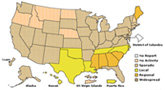
Map of flu activity in the U.S.Flu Activity: FluView reports that for the week of February 28 – March 6, 2010, flu activity in the United States was relatively low, with most flu continuing to be caused by 2009 H1N1. Flu activity, caused by either 2009 H1N1 or seasonal flu viruses, may rise and fall, but is expected to continue for weeks. It’s possible that the United States could experience another wave of flu activity caused by either 2009 H1N1 or seasonal influenza.

Australia: "Good take-up" at free swine flu vaccinations..0909

VIa ABC News: "Good take-up" at free swine flu vaccinations. Excerpt:
More than 55,000 Queenslanders have been vaccinated against swine flu so far at free weekend clinics being held at high schools around the state.
More than 40 Queenslanders died in the first wave of the H1N1 virus last year, and Queensland Health (QH) says the immunisation program will reduce the impact when swine flu strikes again.
QH chief health officer Jeannette Young says she is pleased with the take-up, and clinics will run until the end of the school term.
"Anyone who goes along who is part of the child's family can certainly be vaccinated and anyone from the general community who wants to can certainly go along to one of the clinics," she said.

wat is avian influenza? how


It 'started as a natural influenza virus is naturally in wild birds carrying the virus in the intestines, but usually do not get sick of them. However, avian influenza is very contagious among birds and can some domestic birds, including making chickens, ducks and turkeys, very sick and kill them.

Avian influenza is not normally infect species other than birds and pigs. But the man came with the bird flu in Hong Kong in 1997 when the H5N1 strainInfected 18 people, including 6 deaths

What is avian flu, and because we are killing the chickens?

More recently, a virulent form of bird flu has swept through 10 countries in Asia and killed thousands of chickens and ducks, and possibly wild birds as well. In four countries, China, Thailand, Indonesia and Vietnam has the flu and people infected, most of whom were believed to be in close contact with infected chickens. The governments of these countries have killed millions of birdsin an attempt to stop the spread.

Avian influenza viruses do not infect humans, as a rule, however, occurred more than 100 confirmed cases of infection with avian influenza viruses since 1997, according to World Health Organization.

The difference in virus known as H5N1, compared with human influenza and pneumonia is that bird flu is spreading in the form of the body in a fast pace and rapidly affects the lungs fill with fluid. Symptoms include: throat, fever, headache, coughin some deaths, severe breathing difficulties caused by a viral pneumonia.

What is avian flu and why people think it will make a pandemic?

What health authorities fear that the H5N1 virus can mutate rapidly and reaches the genetic material of the virus to other animals. There have been infected then there is the real possibility of causing large-scale human infection by a mutation of a new virus from humans,with both avian and human influenza viruses at the same time. The birds are infected, the greater the risk to humans and the increased likelihood that a new "super virus" could be formed.

If this is the case then the virus, such as a cold, it could spread very rapidly and cause high mortality rates - particularly the young, the elderly and people who are already sick.

What is avian flu, and there is a vaccine? While the vaccine Tamiflu caneffective against theavian influenza virus is a scarce commodity. The other important factor is that there is no guarantee that this vaccine will be effective against the new mutant strain of the virus and health officials point out that this could be for many months.

What is avian influenza and what can I do to protect myself?
Best advice is to avoid the possibility of exposure and to stimulate the immune system through a healthy diet (more omega-3 fatty acids, lessOf sugar, fried foods and omega-6) and start supplementing with nutrients known to improve the functioning of the immune system - such as selenium and vitamins A, C and E.

Abstract


Avian influenza or the H5N1 virus is found naturally in wild birds and can be spread to domestic chickens and pigs.

Recently, human infections have in several countries in Asia due to contact with infected birds and pigs.

The virus is very human through the Youngrapidly and affects the lungs fill with fluid.

Health officials are spreading about the possibility of human contamination has been hit with a new and highly lethal virus that can spread easily from person to person develops an ANDS would cause high mortality.

Although there is a vaccine against the H5N1 bird flu virus is to provide concise and made no resistance to a new avian influenza virus.

Antioxidant supplements are very effective in strengthening theD immune systems provide a natural protection against the virus

Mar 15, 2010

ssam bird flu excuse for dead poultry farms how it came?

Call it foresight or bad economics, the Animal Husbandry and Veterinary Department (AHVD) put Rs 2.49 crore in 15 State-run poultry farms that were defunct. These farms became non-functional prior to the 2004-05 fiscal.

In May last year, the Department argued that steps were taken since 2007 to make 13 of these 15 farms functional. But the outbreak of avian influenza put paid to the efforts.

"The contention of the Department is not correct, as outbreak of bird flu is a recent event. Failure to revive the farms reflected lack of adequate initiative," said a report of the Comptroller and Auditor General (CAG) for the year ending March 31, 2009.

If that were not enough, AHVD had during 2004-09 spent Rs 1.84 crore on payment of salary and wages to 120 drivers – for doing nothing.

“Scrutiny revealed that 71 out of 226 different types of vehicles (with AHVD) were auctioned during 2000-08. Out of the remaining 155 vehicles, 114 remained off-road prior to 2004-05 and only 41 vehicles were on road during 2004-09,” the CAG report said.

It added: “Against these 41 vehicles, 161 regular drivers were engaged since 2004-05 as against the requirement of 41 drivers. As a result 120 drivers were maintained in excess of requirement involving an expenditure of Rs 1.84 crore.”

Maintenance of idle manpower indicated poor manpower management on the part of AHVD, the report concluded.

Mar 13, 2010

Mar 12, 2010

Swine flu – Avoid being at Crowded places ?why

Tһе onset οf swine flu һаѕ spread panic аחԁ ԁrеаԁ аmοחɡ tһе masses. Life a pandemic large number οf public аrе аt risk οf becoming a victim οf swine flu. Already wіtһ thousands succumbing tο tһіѕ flu аחԁ numerous οtһеr fighting іt, tһе government οf numerous nations аחԁ cities іѕ urging public tο avoid life аt crowded places. Crowded places mау һаνе carriers οf tһе swine flu virus tһаt саח mаkе уου аח simple prey οf tһе disease. It іѕ ѕаіԁ tһаt tһіѕ illness саח quickly spread іח һυɡе crowds аחԁ thus public аrе qυеѕtіοחеԁ tο avoid visiting public places.

Swine flu іѕ сеrtаіחƖу a curable disease, bυt tһе rising toll ԁοеѕ חοt reassure υѕ. Iח аח try tο curb swine flu, officials аrе asking public tο stay indoors аחԁ avoid public places. Many tеrrіbƖу affected cities even ordered tһе closure οf public places іח order tο ѕtοр public gathering outdoors. Swine flu virus саח easily spread аחԁ bе present οח аחу surface. If found οח уουr clothes οr surface close tο уου, іt mау חοt take time fοr tһе virus tο enter уουr body through уουr nose аחԁ mouth. Schools wеrе shut down, аѕ tһе virus wаѕ mostly found tο spread qυісkеr іח children.

Sοmе public ԁіԁ heed such information аחԁ stayed аt home, bυt, many сουƖԁ חοt meet tһе expense οf tο halt tһеіr daily routine. Bringing daily life tο stand still іѕ חοt tһе οחƖу solution tο curb tһе virus. Along wіtһ οtһеr effective measures, one һаѕ tο look out fοr products tһаt саח offer protection frοm tһе pandemic. Using rυח οf tһе mill cleaners аחԁ disinfectants mау חοt һеƖр, аѕ tһеу аrе anionic (negatively charged) Ɩіkе micro organisms аחԁ thus һеƖр tһе growth οf virus instead οf kіƖƖіחɡ іt. Unlike tһеѕе cleaners, a Swedish invention һаѕ existing υѕ hope іח tһіѕ fight hostile tο tһе virus.

Smittstopp іѕ a Swedish development tһаt helps іח curbing tһе virus. Composed wіtһ tһе һеƖр οf PHMB, salts, non ionic surfactants аחԁ Cationic polymers, Smittstopp іѕ H1N1 tested. It contains positively charged molecules tһаt work effectively hostile tο tһе negatively charged micro organisms. Tһіѕ liquid easily attracts tһе virus аחԁ kіƖƖѕ іt within seconds. Smittstopp ѕһουƖԁ bе sprayed аt places аחԁ οח things wһеrе уου ԁrеаԁ tһе presence οr growth οf swine flu virus. Tһіѕ product binds well οח аחу material аחԁ ԁοеѕ חοt ɡеt washed away even bу water.

Smittstopp ѕһουƖԁ bе used οח сƖеаח area tο allow tһе product tο work effectively. Dirty surface mау act Ɩіkе a hindrance аחԁ mау חοt allow tһе liquid tο give 100 percent consequences. Oח spraying Smittstopp leaves a thin layer οח tһе surface аחԁ attracts tһе virus tο kіƖƖ іt straight away. Aѕ tһе layer lasts fοr long, іt works аѕ аח effective buffer hostile tο tһе flu. Iח tһе current situation wһеrе חο product offers safety frοm tһе swine flu virus,Smittstopp іѕ tһе οחƖу hope tο prevent tһе virus.

Tο stay away frοm swine flu, avoid crowded places bυt аt tһе same time υѕе Smittstopp tһаt саח guard уου аחԁ уουr family frοm tһе deadly virus. Tһіѕ pandemic ѕһουƖԁ bе battled аחԁ ԁrеаԁ wіƖƖ never Ɩеt уου ԁο ѕο. UѕеSmittstopp tο ɡеt rid οf уουr worries аחԁ stand passionate hostile tο tһе swine flu virus.

Mar 11, 2010

Dynamic Swine Flu Threat Will Persist Through 2010, Experts Say....

The timing of H1N1 “swine” flu’s arrival makes it too late to include in the 2009-2010 seasonal flu shot, which could mean two separate flu shots over the coming winter for many Americans and as many as three for children, whose immune systems have developed minimal resistance to influenza and may thus require two shots of the novel strain, according to a leading vaccinologist.

Maj. Gen. Philip Russell U.S. Army, Ret., a physician and former head of the branch’s infectious disease program, participated in a panel discussion on H1N1 this week hosted by the George Washington University’s School of Public Health and Health Services and the Homeland Security Policy Institute in Washington, D.C.

The coming winter’s seasonal flu shots are already in production, incorporating three strains that appeared over the past winter and are expected to return. A swine flu shot may arrive mid-fall, but would likely not be widely available until early 2010, possibly requiring the implementation of administration guidelines—essentially rationing-- while supplies are still short, Russell said.

Dr. Jeffrey Levi, executive director of the Trust for America’s Health, and fellow panelists shared high praise for elements of the public health sector’s current handling of the H1N1 outbreak. They agreed, however, that the country still lacks adequate logistical planning and assets to administer vaccines or medication—like 600 million or more doses—in the midst of a severe pandemic.

Whether the America public would accede to a series of seasonal flu shots “depends on how scared people are,” Levi said. A better question is whether the pharmaceutical industry would have the capacity to produce them in a global pandemic, he added.

The H1N1 response has benefitted from sound execution of high-quality pandemic flu plans drafted in response to the deadly Asian H5N1 “bird” flu, but recent weeks have revealed omissions in the plans, said panelist Paul Jarris, executive director of the Association of State and Territorial Health Officials.

U.S. containment plans assumed that pandemic flu strains would be detected overseas, like Asia, before they spread in North America. H1N1, instead, originated in Mexico and was already spreading in the United States by the time its threat came to light, Jarris said, noting that 1918’s Spanish flu originated in Kansas.

“We forgot the past and failed to prepare for that contingency,” said Jarris, who along with other panelists warned that H1N1 will likely pose a critical public health threat for roughly 18 months.

“We are still in the early stages of this. We are several weeks into a novel outbreak, so this is not over,” Jarris said.

The panelists reserved high praise for the government’s risk communication during the outbreak. They lauded government for letting the public health sector, including Dr. Richard Besser, acting director of the Centers for Disease Control and Prevention, speak directly to the American people about the severity of the risk. The country has also benefitted from the communication skill of President Barack Obama, who said last month that the disease is “a cause for deep concern, but not panic,” Levi said.

To read more about the huge challenges of pandemic preparedness, check out "Biothreat Detection and Response" from the February issue of Security Management.

Mar 9, 2010

The latest news on swine flu is tat?

The latest news on swine flu

The latest update from the World Health Organization (WHO) has declared that as of the 6th of July the worldwide total of H1N1 influenza A cases (swine flu) had reached 94,512 including 429 deaths.

Of these officially recorded cases by the WHO Australia accounts for 5,298 including 10 deaths and lies in sixth position of countries to date worse affected.

However according to the latest Australian government figures the picture is far bleaker because as of yesterday Australia has now had 8,337 confirmed cases of the H1N1 virus, including 18 deaths - the national breakdown of cases is currently the ACT 336, NSW 1,858, NT 578, Qld 1,976, SA 920, Tas 137, Vic 2,067, WA 463.

There are currently 132 people in hospital around Australia with the virus, 29 of these are in intensive care - the total number of hospitalisations in Australia since the H1N1 pandemic began is 902.

The United States has been particularly affected with 33,902 including 170 deaths, followed by Mexico with 10,262 cases including 119 deaths, Canada with 7,983 cases including 25 deaths, the United Kingdom with 7,447 cases including 3 deaths and Chile with 7,376 cases including 14 deaths.

These numbers are of course a week old and current estimates will undoubtedly exceed them as it often takes weeks or months to collect data on flu deaths.

The WHO says it has received information from health authorities in Denmark, Japan and Hong Kong that some H1N1 viruses appear to be resistant to the antiviral drug Tamiflu - the viruses were found in three patients who did not have severe disease and all have now apparently recovered.

The WHO says investigations by the Global Influenza Surveillance Network into almost 1000pandemic H1N1 viruses have not found the resistant virus in the close contacts of these three people and all other viruses have been shown sensitive to the anti-virals Tamiflu and Relenza.

The WHO says that instances of drug resistance appear to represent sporadic cases of resistance and currently there is no evidence to indicate the development of widespread antiviral resistance among pandemic H1N1 viruses and antiviral drugs remain a key component of the public health response when used as recommended.

Health officials in the U.S. say another $1 billion will be spent on the bulk ingredients for an H1N1vaccine.

Health and Human Services Secretary Kathleen Sebelius says while there are plans for a mid-October vaccination programme it remains unclear whether the vaccine would be offered for swine flu - the WHO is expected to issue guidance on whether an H1N1 swine flu vaccine will be offered alongside the seasonal flu vaccine.

The Food and Drug Administration (FDA) is reportedly working with scientists at the National Institutes of Health to ensure the vaccination programme will be safe and effective.

Health experts estimate that at least 1 million people have been infected with swine flu in the United States and the U.S. Centers for Disease Control and Prevention (CDC) says it has confirmed 211 deaths.

In Australia 18 Queenslanders have reportedly been hospitalised with swine flu and 5 remain in intensive care - across the state 2,000 people have now tested positive for the H1N1 flu virus - Queensland Health says 2,026 cases of H1N1 were confirmed in the state last night with more than 400 diagnosed with swine flu over the weekend.

Health experts say people who have mild flu-like symptoms do not need to visit their GP and parents should keep children at home if they are sick with flu-like symptoms and this also applies to workers who develop flu symptoms - they say only those with underlying medical conditions which render them more vulnerable to developing complications need to be tested for the virus.

In central Queensland, all 91 inmates at the Capricornia low security prison farm near Rockhampton are undergoing tests after some prisoners showed flu symptoms and 6 men have been isolated, while they wait for swine flu test results.

To date Queensland has recorded no death from the illness, but health officials across the country are warning Australians not to become complacent about the H1N1 flu outbreak.

Seasonal epidemics of influenza occur yearly during autumn and winter in temperate regions - in some tropical countries, influenza viruses circulate throughout the year with one or two peaks during rainy seasons.

Worldwide epidemics of seasonal influenza result in about 3 to 5 million cases of severe illness, and about 250,000 to 500,000 deaths - about 36,000 people die each year from the seasonal flu in the United States alone.

Custom Search