Surgical masks appear to be no worse than, and nearly as effective as N95 respirators in preventing influenza in health care workers, according to a study released early online today by JAMA. The study was posted online ahead of print because of its public health implications. It will be published in the November 4 issue of JAMA.
Influenza is the most important cause of medically attended acute respiratory illness worldwide and the authors write there is heightened concern this year because of the influenza pandemic due to the H1N1 virus. "Data about the effectiveness of the surgical mask compared with the N95 respirator for protecting health care workers against influenza are sparse," the authors provide as background information in the article. "Given the likelihood that N95 respirators will be in short supply during a pandemic and not available in many countries, knowing the effectiveness of the surgical mask is of public health importance."
Mark Loeb, M.D., M.Sc., from McMaster University, Hamilton, Ontario, Canada, and colleagues conducted a randomized controlled trial of 446 nurses in eight Ontario hospitals to compare the surgical mask with the N95 respirator in protecting health care workers against influenza. The nurses were randomized into two groups: 225 were assigned to receive surgical masks and 221 were assigned to receive the fitted N95 respirator which they were to wear when caring for patients with febrile (fever) respiratory illness. The primary outcome of the study was laboratory-confirmed influenza. Effectiveness of the surgical mask was assessed as non-inferiority of the surgical mask compared with the N95 respirator.
Between September 23, 2008 and December 8, 2008, "influenza infection occurred in 50 nurses (23.6 percent) in the surgical mask group and in 48 (22.9 percent) in the N95 respirator group (absolute risk difference -0.73 percent)," indicating non-inferiority of the surgical mask the authors report. Even among those nurses who had an increased level of the circulating pandemic 2009 H1N1 influenza strain, non-inferiority was demonstrated between the surgical mask group and the N95 respirator group for the 2009 influenza A(H1N1).
"Our data show that the incidence of laboratory-confirmed influenza was similar in nurses wearing the surgical mask and those wearing the N95 respirator. Surgical masks had an estimated efficacy within 1 percent of N95 respirators," the authors write. "That is, surgical masks appeared to be no worse, within a prespecified margin, than N95 respirators in preventing influenza."
In conclusion the authors state: "Our findings apply to routine care in the health care setting. They should not be generalized to settings where there is a high risk for aerosolization, such as intubation or bronchoscopy, where use of an N95 respirator would be prudent. In routine health care settings, particularly where the availability of N95 respirators is limited, surgical masks appear to be non-inferior to N95 respirators for protecting health care workers against influenza."
Oct 4, 2009


H1N1 (Swine Influenza) Experts At The Johns Hopkins Medical Institutions!
Johns Hopkins has a wide range of experts available for interviews and comments about H1N1 and seasonal flu, emergency preparedness, infection control, transmission in children, vaccine safety, flu treatment, public health ethics, flu in cancer patients, and public communications strategies. If you would like to interview a Johns Hopkins expert, call or email the designated information officer in the list below.
Flu Pandemic, Public Health Crises Planning and Response
Area of expertise: Planning, preparedness and rapid response for medical facilities and institutions; large-scale disaster planning and emergency response; and coordination with federal, state and local governments and disaster assistance organizations.
Source: Johns Hopkins Medicine
Flu Pandemic, Public Health Crises Planning and Response
Area of expertise: Planning, preparedness and rapid response for medical facilities and institutions; large-scale disaster planning and emergency response; and coordination with federal, state and local governments and disaster assistance organizations.
Source: Johns Hopkins Medicine
New Articles To Protect Vulnerable Populations During An Influenza Pandemic Published In Special Issue Of American Journal Of Public Health,..........
New articles released outline the needs of vulnerable populations during an influenzapandemic, including children, people with disabilities and low-income communities. These articles, which were developed by the Centers for Disease Control and Prevention, appear in a special influenza preparedness issue of the American Journal of Public Health, published by the American Public Health Association.
Public health emergencies have made clear the necessity of taking into special consideration the challenges and risks that vulnerable populations present. The papers highlighted in the special issue were developed prior to the current H1N1 pandemic and for a potential severe influenza pandemic. Up-to-date information and guidance on H1N1 influenza can be found at http://www.flu.gov.
With an expected resurgence of the H1N1 virus in the United States this fall, these articles should help to minimize the risk and stem the spread of the virus in these communities, including the following vulnerable populations:
- Children - Children are a vulnerable segment of the population, dependent on others for providing their food, shelter, transportation and medical care. Those under the age of 18 years account for approximately 74 million residents of the United States.
- Racial and ethnic minority populations - Broad disparities in underlying health status and social factors such as socioeconomic disadvantages; cultural, educational and linguistic barriers; and lack of access to and use of health care contribute to why racial and ethnic minority populations are more vulnerable in the event of influenza pandemic.
- Public housing, single-parent and low-income families - Data suggest that poverty, in addition to exposing individuals to more acute and chronic stressors, weakens an individual's ability to cope with new problems and difficulties.
- People with disabilities - People with disabilities, particularly those who require personal assistance and those who reside in congregate care facilities, may be at increased risk during an influenza pandemic because of disrupted care or the introduction of the virus by their caregivers.
- Farmworkers - Whether working with livestock or crops, farmworkers may also be more vulnerable than the general population to human influenza pandemics as a result of living conditions, suboptimal access to health services and potential communication barriers resulting from language and culture.
- Local jails - Persons held in correctional facilities in the United States have high rates of infectious and chronic diseases, mental illness, substance dependency and homelessness prior to jail booking, than the general public. During an influenza pandemic, these health and socioeconomic issues would likely make jail inmates particularly vulnerable because of their compromised immune systems and possible diminished capacity to understand the importance of taking medication.
"Only when the nation is prepared to protect those who are most vulnerable will we be assured that we have in place an effective and efficient preparedness and response system," noted Dr. Sonja Hutchins of the CDC and guest editor of the special supplement. "These articles helped us shape our strategies to respond to and contain the H1N1 virus among vulnerable populations, but also may help to combat future pandemics and other public health emergencies."
In May, articles for pregnant women, home health care workers, tribal communities and immigrants and refugees, which are also included in this supplement, were made available in a special early release by the American Journal of Public Health.
Public health emergencies have made clear the necessity of taking into special consideration the challenges and risks that vulnerable populations present. The papers highlighted in the special issue were developed prior to the current H1N1 pandemic and for a potential severe influenza pandemic. Up-to-date information and guidance on H1N1 influenza can be found at http://www.flu.gov.
With an expected resurgence of the H1N1 virus in the United States this fall, these articles should help to minimize the risk and stem the spread of the virus in these communities, including the following vulnerable populations:
- Children - Children are a vulnerable segment of the population, dependent on others for providing their food, shelter, transportation and medical care. Those under the age of 18 years account for approximately 74 million residents of the United States.
- Racial and ethnic minority populations - Broad disparities in underlying health status and social factors such as socioeconomic disadvantages; cultural, educational and linguistic barriers; and lack of access to and use of health care contribute to why racial and ethnic minority populations are more vulnerable in the event of influenza pandemic.
- Public housing, single-parent and low-income families - Data suggest that poverty, in addition to exposing individuals to more acute and chronic stressors, weakens an individual's ability to cope with new problems and difficulties.
- People with disabilities - People with disabilities, particularly those who require personal assistance and those who reside in congregate care facilities, may be at increased risk during an influenza pandemic because of disrupted care or the introduction of the virus by their caregivers.
- Farmworkers - Whether working with livestock or crops, farmworkers may also be more vulnerable than the general population to human influenza pandemics as a result of living conditions, suboptimal access to health services and potential communication barriers resulting from language and culture.
- Local jails - Persons held in correctional facilities in the United States have high rates of infectious and chronic diseases, mental illness, substance dependency and homelessness prior to jail booking, than the general public. During an influenza pandemic, these health and socioeconomic issues would likely make jail inmates particularly vulnerable because of their compromised immune systems and possible diminished capacity to understand the importance of taking medication.
"Only when the nation is prepared to protect those who are most vulnerable will we be assured that we have in place an effective and efficient preparedness and response system," noted Dr. Sonja Hutchins of the CDC and guest editor of the special supplement. "These articles helped us shape our strategies to respond to and contain the H1N1 virus among vulnerable populations, but also may help to combat future pandemics and other public health emergencies."
In May, articles for pregnant women, home health care workers, tribal communities and immigrants and refugees, which are also included in this supplement, were made available in a special early release by the American Journal of Public Health.
Get The Facts On The H1N1 (Swine) Flu..!
In response to the growing concern about the H1N1(swine) flu pandemic, Anatomical Chart Company (ACC) and Lippincott's NursingCenter.com offer a free teaching aid to help healthcare practitioners explain the H1N1 virus to their patients. The highly visual color handout is available as a free download in English and Spanish athttp://www.anatomical.com/swineflu and http://www.nursingcenter.com/h1n1handout. ACC and Lippincott's NursingCenter.com are part of Wolters Kluwer Health, a leading provider of information and business intelligence for students, professionals, and institutions in medicine, nursing, allied health, and pharmacy.
In April of 2009, the H1N1 influenza virus was first detected in the United States. Two months later a pandemic was declared by the World Health Organization (WHO). Over the past five months, Lippincott's NursingCenter.com has been keeping nurses informed about the development of this infection, including its spread in the U.S. and internationally, treatment recommendations from the Centers for Disease Control and Prevention, vaccine development, and guidelines for the care of specific patient populations.
Lippincott's NursingCenter.com's clinical editor Lisa Morris Bonsall MSN, RN, CRNP created the teaching aid using the Anatomical Chart Company's vivid images to provide simple textual and visual information for clinicians and health educators to give to their patients. The handout will help patients learn the facts, including signs and symptoms, how the infection spreads, treatment options, and prevention methods for H1N1. The free educational handout is available in English and Spanish.
Lippincott's NursingCenter.com provides over 1,100 peer-reviewed continuing education activities and free access to 11,000 articles from more than 50 leading nursing journals. Created by nurses, for nurses, Lippincott's NursingCenter.com is the premier destination site for online nursing continuing education and peer reviewed content.
ACC is the premier provider of high-quality anatomical wall charts and related products for the human health markets.
About Lippincott Williams & Wilkins
Lippincott Williams & Wilkins (LWW) is a leading international publisher for healthcare professionals and students with nearly 300 periodicals and 1,500 books in more than 100 disciplines publishing under the LWW brand, as well as content-based sites and online corporate and customer services.
LWW is part of Wolters Kluwer Health, a leading provider of information and business intelligence for students, professionals and institutions in medicine, nursing, allied health and pharmacy. Major brands include traditional publishers of medical and drug reference tools and textbooks, such as Lippincott Williams & Wilkins and Facts & Comparisons®; and electronic information providers, such as Ovid®, UpToDate® , Medi-Span® and ProVation® Medical.
In April of 2009, the H1N1 influenza virus was first detected in the United States. Two months later a pandemic was declared by the World Health Organization (WHO). Over the past five months, Lippincott's NursingCenter.com has been keeping nurses informed about the development of this infection, including its spread in the U.S. and internationally, treatment recommendations from the Centers for Disease Control and Prevention, vaccine development, and guidelines for the care of specific patient populations.
Lippincott's NursingCenter.com's clinical editor Lisa Morris Bonsall MSN, RN, CRNP created the teaching aid using the Anatomical Chart Company's vivid images to provide simple textual and visual information for clinicians and health educators to give to their patients. The handout will help patients learn the facts, including signs and symptoms, how the infection spreads, treatment options, and prevention methods for H1N1. The free educational handout is available in English and Spanish.
Lippincott's NursingCenter.com provides over 1,100 peer-reviewed continuing education activities and free access to 11,000 articles from more than 50 leading nursing journals. Created by nurses, for nurses, Lippincott's NursingCenter.com is the premier destination site for online nursing continuing education and peer reviewed content.
ACC is the premier provider of high-quality anatomical wall charts and related products for the human health markets.
About Lippincott Williams & Wilkins
Lippincott Williams & Wilkins (LWW) is a leading international publisher for healthcare professionals and students with nearly 300 periodicals and 1,500 books in more than 100 disciplines publishing under the LWW brand, as well as content-based sites and online corporate and customer services.
LWW is part of Wolters Kluwer Health, a leading provider of information and business intelligence for students, professionals and institutions in medicine, nursing, allied health and pharmacy. Major brands include traditional publishers of medical and drug reference tools and textbooks, such as Lippincott Williams & Wilkins and Facts & Comparisons®; and electronic information providers, such as Ovid®, UpToDate® , Medi-Span® and ProVation® Medical.
Baxter Receives EMEA Positive Opinion For CELVAPAN H1N1 Pandemic Influenza Vaccine........................
Baxter International Inc. (NYSE:BAX) announced that the Committee for Medicinal Products for Human Use (CHMP) of the European Medicines Agency (EMEA) granted its "positive opinion" for CELVAPAN H1N1pandemic vaccine using Baxter's Vero cell technology. This positive opinion confirms the acceptability of Baxter's regulatory submission to obtain final marketing authorization and licensure of the product.
CELVAPAN H1N1 is the first cell culture-based and non-adjuvanted vaccine to receive a positive opinion in the European Union. Initial quantities of vaccine have already been delivered to a number of countries, including the UK and Ireland, for use in their national vaccination programs, and are awaiting product release subject to final marketing authorization being granted by the European Commission.
Presently, Baxter is confirming the safety and immunogenicity of CELVAPAN H1N1 in clinical trials. The company is conducting two randomized trials in 400 healthy adults age 18 and over and in 400 children and adolescents to supplement the licensure post-approval with appropriate clinical data. These trials are evaluating the safety and immunogenicity of the vaccine at dose levels of 7.5µg and 3.75µg. Once countries initiate national vaccination programs using CELVAPAN H1N1, Baxter will also conduct a large-scale observational study with CELVAPAN in 9,000 people of different age groups, including children.
Preliminary safety data in adults and the elderly indicate that the vaccine is well tolerated in these age groups. The observed systemic and local reactions are similar to those generally experienced after vaccination with licensed seasonal influenzavaccines. Immunogenicity data from the first vaccination in adults are due later this month. The current dosing schedule, as specified in the EMEA mock-up licensure for CELVAPAN using another virus strain, calls for two 7.5 µg doses of vaccine to be given 21 days apart. Baxter expects the data from the trial of healthy adults to indicate whether a single dose may be possible for CELVAPAN H1N1. This study will also determine whether a lower dose, 3.75µg, is sufficient to induce the necessary immune response.
"We are pleased that the regulatory submission and the preliminary clinical trial data uphold the extensive work done by Baxter and the support received from key Ministries of Health in developing a pandemic vaccine," said Hartmut J. Ehrlich, M.D., vice president of global research and development for Baxter BioScience. "We are looking forward to analyzing the immunogenicity data for our cell culture-derived, non-adjuvanted vaccine to assess the potential of a one dose regimen."
About Baxter's Pandemic Vaccine Development
Earlier this year, the EMEA granted mock-up licensure for CELVAPAN using a different strain with pandemic potential, which was tested in five completed clinical trials worldwide in more than 1,300 people. In addition, more than 3,500 people have been vaccinated using the same strain during an ongoing Phase III study. Mock-up licensure is a regulatory pathway for pandemic vaccines that was created by the EMEA in 2004. This pathway allows for the development, evaluation and licensure of a company's pandemic candidate vaccine using an available influenza strain that has the potential to cause a pandemic. Once a pandemic is declared and the influenza virus strain causing the pandemic is identified, the mock-up licensure allows for fast track approval of a pandemic vaccine containing the actual pandemic strain.
Baxter received the H1N1 strain for testing and evaluation from the U.S. Centers for Disease Control and Prevention (a WHO Collaborating Center) in early May. The company then undertook pre-production testing and evaluation of the virus strain to assess its growth characteristics in the company's proprietary Vero cell culture technology.
Baxter initiated commercial production in early June, and made its first commercial product within 12 weeks of receipt of the virus. The company produces bulk CELVAPAN H1N1 vaccine at its large-scale commercial facility in Bohumil, Czech Republic, and then sends the vaccine to Vienna, Austria for the final formulation, fill and finish before distribution. Baxter completed production of the first batches of CELVAPAN H1N1 vaccine in late July and initiated its first delivery within two weeks. The company continues to deliver vaccine on an ongoing basis to national public health authorities.
Baxter initiated its license application for CELVAPAN H1N1 in July based on the EMEA published guidelines for pandemic vaccine marketing authorization. The company conducted rigorous testing of the H1N1 based vaccine and submitted additional data for vaccine development, product quality and manufacturing processes specific to that strain. Other non-E.U. countries may choose to evaluate the company's EMEA submission and licensure as the basis for their national health authority's authorization for use of the vaccine.
More information on CELVAPAN H1N1 clinical trials is available here.
CELVAPAN H1N1 is the first cell culture-based and non-adjuvanted vaccine to receive a positive opinion in the European Union. Initial quantities of vaccine have already been delivered to a number of countries, including the UK and Ireland, for use in their national vaccination programs, and are awaiting product release subject to final marketing authorization being granted by the European Commission.
Presently, Baxter is confirming the safety and immunogenicity of CELVAPAN H1N1 in clinical trials. The company is conducting two randomized trials in 400 healthy adults age 18 and over and in 400 children and adolescents to supplement the licensure post-approval with appropriate clinical data. These trials are evaluating the safety and immunogenicity of the vaccine at dose levels of 7.5µg and 3.75µg. Once countries initiate national vaccination programs using CELVAPAN H1N1, Baxter will also conduct a large-scale observational study with CELVAPAN in 9,000 people of different age groups, including children.
Preliminary safety data in adults and the elderly indicate that the vaccine is well tolerated in these age groups. The observed systemic and local reactions are similar to those generally experienced after vaccination with licensed seasonal influenzavaccines. Immunogenicity data from the first vaccination in adults are due later this month. The current dosing schedule, as specified in the EMEA mock-up licensure for CELVAPAN using another virus strain, calls for two 7.5 µg doses of vaccine to be given 21 days apart. Baxter expects the data from the trial of healthy adults to indicate whether a single dose may be possible for CELVAPAN H1N1. This study will also determine whether a lower dose, 3.75µg, is sufficient to induce the necessary immune response.
"We are pleased that the regulatory submission and the preliminary clinical trial data uphold the extensive work done by Baxter and the support received from key Ministries of Health in developing a pandemic vaccine," said Hartmut J. Ehrlich, M.D., vice president of global research and development for Baxter BioScience. "We are looking forward to analyzing the immunogenicity data for our cell culture-derived, non-adjuvanted vaccine to assess the potential of a one dose regimen."
About Baxter's Pandemic Vaccine Development
Earlier this year, the EMEA granted mock-up licensure for CELVAPAN using a different strain with pandemic potential, which was tested in five completed clinical trials worldwide in more than 1,300 people. In addition, more than 3,500 people have been vaccinated using the same strain during an ongoing Phase III study. Mock-up licensure is a regulatory pathway for pandemic vaccines that was created by the EMEA in 2004. This pathway allows for the development, evaluation and licensure of a company's pandemic candidate vaccine using an available influenza strain that has the potential to cause a pandemic. Once a pandemic is declared and the influenza virus strain causing the pandemic is identified, the mock-up licensure allows for fast track approval of a pandemic vaccine containing the actual pandemic strain.
Baxter received the H1N1 strain for testing and evaluation from the U.S. Centers for Disease Control and Prevention (a WHO Collaborating Center) in early May. The company then undertook pre-production testing and evaluation of the virus strain to assess its growth characteristics in the company's proprietary Vero cell culture technology.
Baxter initiated commercial production in early June, and made its first commercial product within 12 weeks of receipt of the virus. The company produces bulk CELVAPAN H1N1 vaccine at its large-scale commercial facility in Bohumil, Czech Republic, and then sends the vaccine to Vienna, Austria for the final formulation, fill and finish before distribution. Baxter completed production of the first batches of CELVAPAN H1N1 vaccine in late July and initiated its first delivery within two weeks. The company continues to deliver vaccine on an ongoing basis to national public health authorities.
Baxter initiated its license application for CELVAPAN H1N1 in July based on the EMEA published guidelines for pandemic vaccine marketing authorization. The company conducted rigorous testing of the H1N1 based vaccine and submitted additional data for vaccine development, product quality and manufacturing processes specific to that strain. Other non-E.U. countries may choose to evaluate the company's EMEA submission and licensure as the basis for their national health authority's authorization for use of the vaccine.
More information on CELVAPAN H1N1 clinical trials is available here.
WHO says new flu "unstoppable", calls for vaccine?
| |
WASHINGTON (Reuters) - Saying the new H1N1 virus is "unstoppable", the World Health Organization gave drug makers a full go-ahead to manufacture vaccines against the pandemic influenza strain on Monday and said healthcare workers should be the first to get one.
Every country will need to vaccinate citizens against the swine flu virus and must choose who else would get priority after nurses, doctors and technicians, said Dr. Marie-Paule Kieny, WHO director of the Initiative for Vaccine Research.
Several reports showed the new virus attacks people differently than seasonal flu -- affecting younger people, the severely obese and seemingly healthy adults, and causing disease deep in the lungs.
Kieny briefed reporters on the findings of the WHO's Strategic Advisory Group of Experts on Immunization, or SAGE. "The committee recognized that the H1N1 pandemic ... is unstoppable and therefore that all countries need access to vaccine," Kieney said.
"The SAGE recognized first that healthcare workers should be immunized in all countries in order to retain a functional health system as the virus evolves," she added.
After that, each country should decide who is next in line, based on the virus's unusual behavior.
Seasonal influenza is deadly enough -- each year it is involved in 250,000 to 500,000 deaths globally. But most are the elderly or those with some kind of chronic disease that makes them more vulnerable to flu, such as asthma.
ELDERLY ADVANTAGE
The elderly seem to have some extra immunity to this new H1N1, which is a mixture of two swine viruses, one of which also contains genetic material from birds and humans. It is a very distant cousin of the H1N1 virus that caused the 1918 pandemic that killed 50 million to 100 million people.
A study published in the journal Nature on Monday confirmed that the blood of people born before 1920 carries antibodies to the 1918 strain, suggesting their immune systems remember a childhood infection.
The work by Dr. Yoshihiro Kawaoka also supports other studies that this new H1N1 strain does not stay in the nose and throat, as do most seasonal viruses.
"The H1N1 virus replicates significantly better in the lungs," Kawaoka said. Other studies have also shown it can cause gastrointestinal effects, and that it targets people not usually thought of as being at high risk.
"Obesity has been observed to be one of the risk factors for more severe reaction to H1N1" -- something never before seen, Kieny added. It is not clear if obese people may have undiagnosed health problems that make them susceptible, or if obesity in and of itself is a risk.
On Friday, a team at the U.S. Centers for Disease Control and Prevention and the University of Michigan reported that nine out of 10 patients treated in an intensive care unit there were obese. They also had unusual symptoms such as blood clots in the lungs and multiple organ failure.
Comment For The BMJ On Figures Showing That 25% Of People Hospitalised With Swine Flu Have Asthma, UK!
Cher Piddock, Lead Asthma Nurse at Asthma UK says: 'We know that there is a risk for people with asthma that catching the virus could add to existing breathing difficulties they may have, which could then lead to a hospital admission.
'Our advice to help people with asthma protect themselves, is to have the swine flu vaccine as soon as it becomes available and to make sure that their condition is well-controlled. They can do this by using their preventer inhaler as prescribed, seeing their doctor or asthma nurse for an asthma review and getting a personal asthma action plan which gives information on what to do if your asthma gets worse or in an emergency.'
'Our advice to help people with asthma protect themselves, is to have the swine flu vaccine as soon as it becomes available and to make sure that their condition is well-controlled. They can do this by using their preventer inhaler as prescribed, seeing their doctor or asthma nurse for an asthma review and getting a personal asthma action plan which gives information on what to do if your asthma gets worse or in an emergency.'
Swine Flu Deaths Worldwide,,,

P.S. : The above map shows status upto 31/7/2009 only. India has seen 10 deaths in august.

Oct 2, 2009
Swine flu shots delayed for most!
Wide availability expected in mid-Nov. Those at high risk get vaccine earlier
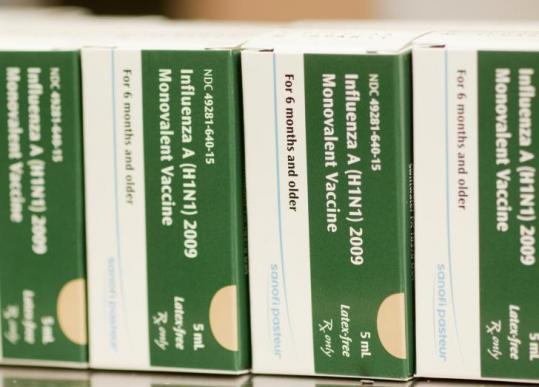 Vials of the vaccine for H1N1 were packaged before they were shipped at a plant in Swiftwater, Pa. Massachusetts is expected to receive 1.1 million doses by early November. (Sanofi-Aventis)
 WORCESTER - Vaccine against swine flu will not be widely available in Massachusetts until mid-November, the state’s public health commissioner warned yesterday, even as specialists fear that cases of the viral disease will increase markedly in coming weeks.
Discuss
COMMENTS (74)
The Department of Public Health expects the first vaccine doses to arrive in the state no later than Oct. 12, but that initial shipment is expected to include only about half as many doses as originally anticipated.
Underscoring the fluid nature of the response to the H1N1 virus, state health authorities left their offices Tuesday night believing the shipment would contain 63,500 doses; by midday yesterday, it had been cut to 36,800.
The state now expects to receive 1.1 million doses by early November and 700,000 more by early December. Still, that is not even half of the 4 million vaccine shots and nasal sprays designated for Massachusetts by the federal government, which is buying all of the nation’s vaccine supply.
“For the public, it’s important to know not to expect the large public [flu shot] clinics until middle to late November,’’ John Auerbach, the public health commissioner, said in an interview during a statewide conference on swine flu that attracted more than 800 health, education, and public safety officials.
In the first weeks of the swine flu vaccination campaign, health care workers and groups most vulnerable to the virus will be targeted for doses. That includes pregnant women; children between 6 months and 4 years; people who have regular contact with young infants; and youngsters between 5 and 19 diagnosed with chronic conditions such as asthma, heart disease, and diabetes. Those groups are estimated to total 840,000 people. After they are inoculated through their physicians’ offices, vaccine will begin to be more broadly distributed.
Some disease specialists, including a presidential advisory panel, have expressed concerns that most H1N1 vaccine will not become available until after a second wave of infections peaks.
“While it would be preferable to have vaccine in early October, there will still be benefits to getting it in mid-November,’’ said Dr. JudyAnn Bigby, the state’s secretary of health and human services. “We still don’t know how this virus is going to behave.’’
The uncertainty about when vaccine shipments will arrive reflects the vagaries of flu vaccine production, as well as the unprecedented attempt this fall to deliver nearly 200 million doses of protection against swine flu and 115 million doses aimed at the seasonal strain.
Flu vaccine makers rely on an antiquated, time-consuming process to produce shots, growing the medicine in eggs. With the identification of swine flu in late April, scientists began a sprint to brew the right vaccine and begin processing it.
The same pharmaceutical companies are making both types of vaccine, and spot shortages of the seasonal variety have already emerged.Continued...
First H1N1 flu doses will go to local children ................
Elementary school-age children in the Philadelphia region, including Bucks and Montgomery counties, will be among the first in the state to receive the vaccine against the fast-spreading H1N1 virus, perhaps as soon as two weeks, state health officials said Wednesday.
Pennsylvania is receiving an early, but limited supply of the nasal spray vaccine, which will be distributed on a voluntary basis to healthy children ages 5 to 9 years old in three regions where the virus is spreading fastest. The initial 58,500 doses also will be available in the north-central and southwest parts of the state.
Statewide, 2,574 cases of the new swine flu have been confirmed, including 139 in Bucks and 224 in Montgomery counties. Another 62 cases are pending confirmation statewide.
State health officials will work with private health care providers to distribute the initial vaccine doses among the first group of targeted children; once more vaccine is available, the state plans to list online local public distribution points where people can get a free vaccine, state officials said.
Locally, the Bucks County Health Department has ordered more than 100,000 doses of the vaccine, most of it for distribution to school children, Director Dr. David Damsker said. County health officials will help schools distribute and administer the vaccine, though it's unclear when the first shipment will be delivered, he added. Later, the county is planning mass public vaccine clinics, if there is enough vaccine, Damsker said.
Montgomery County Health Department has ordered15,000 doses to supplement the vaccine schools and health care providers ordered on their own, spokeswoman Harriet Morton said. She added that the county will provide schools help with developing distribution plans and administering the vaccine, if requested.
School-age children are the first group targeted because they are a group where the virus is most prevalent.
Statewide 41 percent of swine flu cases have been among children under age 18, with children ages 5 to 9 accounting for 17.5 percent of cases. The age group with the most confirmed cases - 27.5 percent - have been among 10- to 14-year-olds.
More than 70 percent of the new swine flu cases since Sept. 1 have been among people ages 5 to 24, said Dr. Steven Ostroff, acting physician general for the state Health Department.
Pennsylvania placed its first order on Wednesday for the H1N1 vaccine that the federal government is providing, the first day it could do so. More than 5,000 health care providers in the state have pre-registered so far to distribute the vaccine, according to Michael Huff, deputy secretary of health. The state could not provide information about the number of local health care providers that pre-registered.
Advertisement
The first shipments of injected vaccine - the type recommended for pregnant women and adults under age 65 with chronic health conditions -will arrive in a few weeks, Ostroff said.
By January, the state anticipates receiving 7 million doses of the H1N1 vaccine, which health officials anticipate will be more than enough to vaccinate residents who want it.
Children under age 10 are recommended to receive two doses of the H1N1 vaccine to receive its full benefit, health officials said. Older children and adults are expected to need one dose only. The H1N1 vaccine does not protect against the typical seasonal flu, so adults and children will need a separate vaccine to combat that strain.
State health officials hadn't anticipated receiving any H1N1 vaccine until mid-October at the earliest. This early shipment of the flu mist gives the state a head start on what some health officials worry will be a busy flu season with both seasonal and H1N1 viruses circulating.
"To a certain degree we're ahead of the game," Ostroff said. "Having any (vaccine) available at this point is a pleasant surprise."
Ostroff doesn't anticipate that side effects from the new vaccine will be any different than those related to typical seasonal flu vaccine, but, he added, systems are in place to monitor for "unusual" patterns of a problem. The first wave of H1N1 peaked in late June then rapidly declined, Ostroff said. But in recent weeks the state has seen a renewed upsurge in cases.
Jo Ciavaglia can be reached at 215-949-4181 or jciavaglia@phillyBurbs. com. For more health and fitness info, visit Jo's blog, at www.phillyBurbs. com/opinions/blogs/courier_blogs/ jo_ciavaglia.html.
How is the H1N1 Influenza Virus Different from Seasonal Flu Virus?
The seasonal flu is comprised of several different strains of flu. The H1N1 flu strain is a novel one. Most people are not resistant to the swine flu virus, and seasonal flu vaccines are not effective to fight swine flu.
The swine flu is not different from the seasonal flu in terms of symptoms, but in the strain of the virus causing the flu.
For more about H1Ni
Visit the state Health Department Web site, www/J1N1inpa.com.
Did you know?
One reason the flu vaccine administered in a spray form is not recommended for pregnant women and adults with chronic health conditions is their immune systems are suppressed and the live vaccine in the spray does not protect as well as the dead virus used in the injected vaccine, according to Dr. Steven Ostroff, acting physician general for Pennsylvania.
Pennsylvania is receiving an early, but limited supply of the nasal spray vaccine, which will be distributed on a voluntary basis to healthy children ages 5 to 9 years old in three regions where the virus is spreading fastest. The initial 58,500 doses also will be available in the north-central and southwest parts of the state.
Statewide, 2,574 cases of the new swine flu have been confirmed, including 139 in Bucks and 224 in Montgomery counties. Another 62 cases are pending confirmation statewide.
State health officials will work with private health care providers to distribute the initial vaccine doses among the first group of targeted children; once more vaccine is available, the state plans to list online local public distribution points where people can get a free vaccine, state officials said.
Locally, the Bucks County Health Department has ordered more than 100,000 doses of the vaccine, most of it for distribution to school children, Director Dr. David Damsker said. County health officials will help schools distribute and administer the vaccine, though it's unclear when the first shipment will be delivered, he added. Later, the county is planning mass public vaccine clinics, if there is enough vaccine, Damsker said.
Montgomery County Health Department has ordered15,000 doses to supplement the vaccine schools and health care providers ordered on their own, spokeswoman Harriet Morton said. She added that the county will provide schools help with developing distribution plans and administering the vaccine, if requested.
School-age children are the first group targeted because they are a group where the virus is most prevalent.
Statewide 41 percent of swine flu cases have been among children under age 18, with children ages 5 to 9 accounting for 17.5 percent of cases. The age group with the most confirmed cases - 27.5 percent - have been among 10- to 14-year-olds.
More than 70 percent of the new swine flu cases since Sept. 1 have been among people ages 5 to 24, said Dr. Steven Ostroff, acting physician general for the state Health Department.
Pennsylvania placed its first order on Wednesday for the H1N1 vaccine that the federal government is providing, the first day it could do so. More than 5,000 health care providers in the state have pre-registered so far to distribute the vaccine, according to Michael Huff, deputy secretary of health. The state could not provide information about the number of local health care providers that pre-registered.
Advertisement
The first shipments of injected vaccine - the type recommended for pregnant women and adults under age 65 with chronic health conditions -will arrive in a few weeks, Ostroff said.
By January, the state anticipates receiving 7 million doses of the H1N1 vaccine, which health officials anticipate will be more than enough to vaccinate residents who want it.
Children under age 10 are recommended to receive two doses of the H1N1 vaccine to receive its full benefit, health officials said. Older children and adults are expected to need one dose only. The H1N1 vaccine does not protect against the typical seasonal flu, so adults and children will need a separate vaccine to combat that strain.
State health officials hadn't anticipated receiving any H1N1 vaccine until mid-October at the earliest. This early shipment of the flu mist gives the state a head start on what some health officials worry will be a busy flu season with both seasonal and H1N1 viruses circulating.
"To a certain degree we're ahead of the game," Ostroff said. "Having any (vaccine) available at this point is a pleasant surprise."
Ostroff doesn't anticipate that side effects from the new vaccine will be any different than those related to typical seasonal flu vaccine, but, he added, systems are in place to monitor for "unusual" patterns of a problem. The first wave of H1N1 peaked in late June then rapidly declined, Ostroff said. But in recent weeks the state has seen a renewed upsurge in cases.
Jo Ciavaglia can be reached at 215-949-4181 or jciavaglia@phillyBurbs. com. For more health and fitness info, visit Jo's blog, at www.phillyBurbs. com/opinions/blogs/courier_blogs/ jo_ciavaglia.html.
How is the H1N1 Influenza Virus Different from Seasonal Flu Virus?
The seasonal flu is comprised of several different strains of flu. The H1N1 flu strain is a novel one. Most people are not resistant to the swine flu virus, and seasonal flu vaccines are not effective to fight swine flu.
The swine flu is not different from the seasonal flu in terms of symptoms, but in the strain of the virus causing the flu.
For more about H1Ni
Visit the state Health Department Web site, www/J1N1inpa.com.
Did you know?
One reason the flu vaccine administered in a spray form is not recommended for pregnant women and adults with chronic health conditions is their immune systems are suppressed and the live vaccine in the spray does not protect as well as the dead virus used in the injected vaccine, according to Dr. Steven Ostroff, acting physician general for Pennsylvania.
Swine flu could overload U.S. hospitals: report..!
CHICAGO (Reuters) - Fifteen states could run out of hospital beds and 12 more could fill 75 percent of their beds with swine flu sufferers if 35 percent of Americans catch the virus in coming weeks, a report released Thursday said.
The study, based on estimates from a computer model developed by the U.S. Centers for Disease Control and Prevention, shows the strain hospitals and health departments could face as a second wave of swine flu surges.
"Our point in doing this is not to cry Chicken Little but really to point out the potential even a mild pandemic can have and how readily that can overwhelm the healthcare delivery system," Jeffrey Levi, director of Trust for America's Health, which sponsored the report, said in a telephone briefing.
According to the report, the number of people hospitalized could range from 168,025 in California to 2,485 in Wyoming, and many states may face shortages of beds.
Some may need to cut back on hospitalizations for elective procedures.
"States around the country will also have to figure out how to manage the influx of people in doctors' offices and ambulatory care settings, in addition to the surge in hospitalizations," Levi said.
He said state and local health departments are scrambling to set up distribution systems for the H1N1 vaccine as it becomes available this month, but challenges remained.
"These systems are untested, and glitches are sure to arise along the way," Levi said.
Local health authorities are especially worried about reaching young people, who traditionally are not vaccinated for flu, and minorities, who were harder hit by the swine flu in the spring.
While the federal government will pay for the vaccine itself, Levi said, it was not yet clear how the actual cost of giving the shot will be financed.
Although many public and private insurance plans have said they will cover it, others have not yet agreed.
"This could become a huge burden for state and local health departments, or become a dangerous disincentive for people to get a vaccine," he said.
The 35 percent attack rate used in the report is based on the 1968 flu pandemic, which was considered mild. It assumes an outbreak would last around eight weeks.
Levi said the number was consistent with World Health Organization statements predicting that up to a third of the world's population will become sick with the new H1N1 virus that was declared a pandemic in June.
The President's Council of Advisors on Science and Technology said in August that 1,8 million Americans may need to be hospitalized and around 30,000 could die, assuming a 30 percent infection rate.
(Editing by Alan Elsner)
Is swine flu covered by travel insurance?
When CNN medical correspondent Sanjay Gupta came down with H1N1, or swine flu, in Afghanistan last month, he blogged about being "the sickest I've ever been." And with the federal Centers for Disease Control reporting that a second wave of the flu is spreading widely across the nation, USA TODAY's Laura Bly answers questions on whether travel insurance covers H1N1.
Q: What is a typical travel insurance policy cost, and what are the major coverage areas?
A: Most travel insurance packages cost 4% to 8% of a journey's total value and encompass trip cancellation/interruption refunds plus medical care and evacuation.
Q: I'm not sick now, but I'm worried about getting the flu at my destination. If I have insurance, can I cancel before I leave and get my money back?
A: Not unless you've purchased "cancel for any reason" coverage, which is sold as an add-on to existing policies or as a stand-alone waiver by cruise lines and other travel companies. A "cancel for any reason" upgrade is more expensive (40%-50% higher than a basic policy), typically covers 70%-100% of prepaid trip costs (all of which must be insured), and requires trip cancellation at least two days before departure, says Peter Evans of the insurance comparison site InsureMyTrip.com.
Q: Does the World Health Organization's June declaration of H1N1 as an official pandemic void the terms of my travel insurance policy?
A: In most cases, no. But a few companies do have pandemic exclusions that would keep you from collecting if you get the flu before you leave or during your trip, says Chris Harvey of Squaremouth.com, another travel insurance comparison site.
Q: Assuming pandemics aren't excluded, will I be covered if I'm quarantined at my destination and have to skip part or all of my itinerary?
A: Generally, yes. But you'll have to study the fine print. Some carriers, including Travel Guard and Access America, will reimburse costs associated with a quarantine — but only if you are sick, not if you are a part of a larger group detained because of possible exposure to an infected traveler.
Q: If I catch the flu and can't travel, will insurance cover the cost of medical care, additional hotel nights and airline penalties?
A: In many cases, yes. Access America, for example, covers emergency medical costs, "reasonable" lodging and other out-of-pocket expenses, and transportation costs associated with getting you back home. But you'll need a doctor's verification of your illness, and no policies will cover you for lost work days if you're forced to extend your stay because of illness.
Q: So, do I really need insurance if my main concern is catching swine flu?
A: Perhaps not. Gupta's high-profile example notwithstanding, most cases of H1N1 flu have been mild and a vaccine is expected to be widely available by the end of the year, though it takes up to two weeks to become fully effective. Some airlines will waive change fees for passengers with a doctor's documentation that they are unable to fly.
Q: What is a typical travel insurance policy cost, and what are the major coverage areas?
A: Most travel insurance packages cost 4% to 8% of a journey's total value and encompass trip cancellation/interruption refunds plus medical care and evacuation.
Q: I'm not sick now, but I'm worried about getting the flu at my destination. If I have insurance, can I cancel before I leave and get my money back?
A: Not unless you've purchased "cancel for any reason" coverage, which is sold as an add-on to existing policies or as a stand-alone waiver by cruise lines and other travel companies. A "cancel for any reason" upgrade is more expensive (40%-50% higher than a basic policy), typically covers 70%-100% of prepaid trip costs (all of which must be insured), and requires trip cancellation at least two days before departure, says Peter Evans of the insurance comparison site InsureMyTrip.com.
Q: Does the World Health Organization's June declaration of H1N1 as an official pandemic void the terms of my travel insurance policy?
A: In most cases, no. But a few companies do have pandemic exclusions that would keep you from collecting if you get the flu before you leave or during your trip, says Chris Harvey of Squaremouth.com, another travel insurance comparison site.
Q: Assuming pandemics aren't excluded, will I be covered if I'm quarantined at my destination and have to skip part or all of my itinerary?
A: Generally, yes. But you'll have to study the fine print. Some carriers, including Travel Guard and Access America, will reimburse costs associated with a quarantine — but only if you are sick, not if you are a part of a larger group detained because of possible exposure to an infected traveler.
Q: If I catch the flu and can't travel, will insurance cover the cost of medical care, additional hotel nights and airline penalties?
A: In many cases, yes. Access America, for example, covers emergency medical costs, "reasonable" lodging and other out-of-pocket expenses, and transportation costs associated with getting you back home. But you'll need a doctor's verification of your illness, and no policies will cover you for lost work days if you're forced to extend your stay because of illness.
Q: So, do I really need insurance if my main concern is catching swine flu?
A: Perhaps not. Gupta's high-profile example notwithstanding, most cases of H1N1 flu have been mild and a vaccine is expected to be widely available by the end of the year, though it takes up to two weeks to become fully effective. Some airlines will waive change fees for passengers with a doctor's documentation that they are unable to fly.
Swine flu survivors hold out hope.....
HYDERABAD: The toll of swine flu positive cases crossed the 600 mark this week after the air-borne virus started spreading its tentacles in May.
The H1N1 scare in the state only worsened in September with an average of two deaths reported everyday. But even as denizens worry about the air they are breathing and the hands they are shaking, swine flu survivors who have been through it all say people should stop fearing swine flu as a killer disease. While taking precautions and early detection can rule out fatality altogether, survivors also point out that battling the infection wasn’t as bad as people assume it is.
“I got scared when I tested positive as my wife is pregnant and I could even infect my four-year-old daughter. I was quarantined for four days and this distance from the family was the most difficult part. The initial two days were traumatic as I was getting calls from friends and colleagues and I feel I was getting stigmatised. But early treatment pulled me out of danger,” said a 39-year-old who got treated at AP General & Chest Hospital. This survivor says he resumed work two days after getting discharged and has not had any health problems after that.
Survivors say that if detected early, the treatment for swine flu is rather simple with a two-drug dosage schedule followed for five days.
A doctor from Osmania General Hospital who was on duty at the Shamshabad airport and tested positive, said, “People think that swine flu only kills but that is not so. While doing airport duty, I tested positive as the protective gear was not provided to us. I never thought it would be swine flu but isolated myself,’’ said the doctor, who says he had to explain to his mother and other family members that not all swine flu patients die.
Reiterating the fact which the specialists have been propagating on maintaining a healthy lifestyle, a 27-year-old survivor from ECIL who was treated at Aware Global said his fitness regimen helped him battle H1N1. “Maybe because of this, I did not have much of a problem. I had high fever and mild body pains. I was discharged within five days and do not have any health problems now.”
Around 500 people who tested positive for swine flu are hale and hearty. The swine flu death toll stands at 42. Survivors suggest that general hygiene, keeping your body warm and consulting a doctor when doubtful will make a huge difference.
“I took medical help only four days after I started getting the symptoms and fainted in the hospital emergency. I was lucky but I would suggest that when the symptoms are early, an individual who reports to the hospital, he will recover without any problem. As swine flu intensifies in cold, it is better to keep your body warm,” said a 43-year-old resident of Gayatri Hills who sought treatment at Apollo Hospital. This MNC employee is now on his way to Chennai and says he could resume work within a few days of being discharged.
Health expert and founder and president of Institute of Health Systems Dr Prasanta Mahapatra said that the number of cases and deaths are not alarming since swine flu was an epidemic and was spreading like one. “Swine flu is an acute infectious disease. The number of cases and deaths only give us an indication how fast it is spreading. The cases and deaths are not alarming. An epidemic generally effects a large number of people.” He suggested that general hygiene, eating nutritious food and weight control would help in containing the spread of the infection.
The H1N1 scare in the state only worsened in September with an average of two deaths reported everyday. But even as denizens worry about the air they are breathing and the hands they are shaking, swine flu survivors who have been through it all say people should stop fearing swine flu as a killer disease. While taking precautions and early detection can rule out fatality altogether, survivors also point out that battling the infection wasn’t as bad as people assume it is.
“I got scared when I tested positive as my wife is pregnant and I could even infect my four-year-old daughter. I was quarantined for four days and this distance from the family was the most difficult part. The initial two days were traumatic as I was getting calls from friends and colleagues and I feel I was getting stigmatised. But early treatment pulled me out of danger,” said a 39-year-old who got treated at AP General & Chest Hospital. This survivor says he resumed work two days after getting discharged and has not had any health problems after that.
Survivors say that if detected early, the treatment for swine flu is rather simple with a two-drug dosage schedule followed for five days.
A doctor from Osmania General Hospital who was on duty at the Shamshabad airport and tested positive, said, “People think that swine flu only kills but that is not so. While doing airport duty, I tested positive as the protective gear was not provided to us. I never thought it would be swine flu but isolated myself,’’ said the doctor, who says he had to explain to his mother and other family members that not all swine flu patients die.
Reiterating the fact which the specialists have been propagating on maintaining a healthy lifestyle, a 27-year-old survivor from ECIL who was treated at Aware Global said his fitness regimen helped him battle H1N1. “Maybe because of this, I did not have much of a problem. I had high fever and mild body pains. I was discharged within five days and do not have any health problems now.”
Around 500 people who tested positive for swine flu are hale and hearty. The swine flu death toll stands at 42. Survivors suggest that general hygiene, keeping your body warm and consulting a doctor when doubtful will make a huge difference.
“I took medical help only four days after I started getting the symptoms and fainted in the hospital emergency. I was lucky but I would suggest that when the symptoms are early, an individual who reports to the hospital, he will recover without any problem. As swine flu intensifies in cold, it is better to keep your body warm,” said a 43-year-old resident of Gayatri Hills who sought treatment at Apollo Hospital. This MNC employee is now on his way to Chennai and says he could resume work within a few days of being discharged.
Health expert and founder and president of Institute of Health Systems Dr Prasanta Mahapatra said that the number of cases and deaths are not alarming since swine flu was an epidemic and was spreading like one. “Swine flu is an acute infectious disease. The number of cases and deaths only give us an indication how fast it is spreading. The cases and deaths are not alarming. An epidemic generally effects a large number of people.” He suggested that general hygiene, eating nutritious food and weight control would help in containing the spread of the infection.
H1N1 vaccine deliveries to NC providers to start in mid to late October..!
RALEIGH — North Carolina began placing its first orders for 2009 H1N1 vaccine on Wednesday and the first batches are expected to be shipped to providers across the state in limited quantities during the month of October.
Advertisement
State health officials do not expect that there will be a shortage of the swine flu vaccine, but the first shipments of the vaccine will be small and providers will not get all of their allotted vaccine at once. They said that 2009 H1N1 vaccine will continue to be produced as long as there is demand for it.
All distribution of the 2009 H1N1 vaccine in the United States is being managed by the Centers for Disease Control and Prevention (CDC).
The CDC tells states how much vaccine they may order and when they may place orders. The ordered vaccine is shipped by the CDC’s central distributor to the hospitals, clinics, doctors’ offices, health departments, retail pharmacies, and other providers designated by local and state officials.
The vaccine may take up to two weeks to reach providers’ offices. More shipments will follow as the vaccine is produced by manufacturers and the individual lots are tested and approved by the FDA.
The CDC has recommended that certain groups of the population receive the 2009 H1N1 vaccine when it first becomes available. These priority groups include:
-- pregnant women;
-- people who live with or care for children younger than 6 months of age;
-- health care and emergency medical services personnel;
-- children and young people between the ages of 6 months and 24 years old;
-- people ages 25 through 64 years of age who are at higher risk for 2009 H1N1 because of chronic health disorders or compromised immune systems.
Two forms of 2009 H1N1 vaccine are being produced – an injectable vaccine and an inhaled nasal spray vaccine. Pregnant women and children under two years of age should seek the injectable vaccine, as the nasal spray vaccine is not recommended for use in these groups.
All of North Carolina’s first shipment of 2009 H1N1 vaccine is nasal spray vaccine. The state expects to begin receiving injectable vaccine in the coming weeks.
Individuals in the priority groups who wish to receive a 2009 H1N1 vaccine should contact their health care providers or their local health departments to find out about vaccine availability and possible costs. The vaccine itself is provided by the federal government at no charge, but private providers may charge a fee for administering the vaccine to patients.
Advertisement
State health officials do not expect that there will be a shortage of the swine flu vaccine, but the first shipments of the vaccine will be small and providers will not get all of their allotted vaccine at once. They said that 2009 H1N1 vaccine will continue to be produced as long as there is demand for it.
All distribution of the 2009 H1N1 vaccine in the United States is being managed by the Centers for Disease Control and Prevention (CDC).
The CDC tells states how much vaccine they may order and when they may place orders. The ordered vaccine is shipped by the CDC’s central distributor to the hospitals, clinics, doctors’ offices, health departments, retail pharmacies, and other providers designated by local and state officials.
The vaccine may take up to two weeks to reach providers’ offices. More shipments will follow as the vaccine is produced by manufacturers and the individual lots are tested and approved by the FDA.
The CDC has recommended that certain groups of the population receive the 2009 H1N1 vaccine when it first becomes available. These priority groups include:
-- pregnant women;
-- people who live with or care for children younger than 6 months of age;
-- health care and emergency medical services personnel;
-- children and young people between the ages of 6 months and 24 years old;
-- people ages 25 through 64 years of age who are at higher risk for 2009 H1N1 because of chronic health disorders or compromised immune systems.
Two forms of 2009 H1N1 vaccine are being produced – an injectable vaccine and an inhaled nasal spray vaccine. Pregnant women and children under two years of age should seek the injectable vaccine, as the nasal spray vaccine is not recommended for use in these groups.
All of North Carolina’s first shipment of 2009 H1N1 vaccine is nasal spray vaccine. The state expects to begin receiving injectable vaccine in the coming weeks.
Individuals in the priority groups who wish to receive a 2009 H1N1 vaccine should contact their health care providers or their local health departments to find out about vaccine availability and possible costs. The vaccine itself is provided by the federal government at no charge, but private providers may charge a fee for administering the vaccine to patients.
H1N1 vaccine deliveries to NC providers to start in mid to late October..!
RALEIGH — North Carolina began placing its first orders for 2009 H1N1 vaccine on Wednesday and the first batches are expected to be shipped to providers across the state in limited quantities during the month of October.
Advertisement
State health officials do not expect that there will be a shortage of the swine flu vaccine, but the first shipments of the vaccine will be small and providers will not get all of their allotted vaccine at once. They said that 2009 H1N1 vaccine will continue to be produced as long as there is demand for it.
All distribution of the 2009 H1N1 vaccine in the United States is being managed by the Centers for Disease Control and Prevention (CDC).
The CDC tells states how much vaccine they may order and when they may place orders. The ordered vaccine is shipped by the CDC’s central distributor to the hospitals, clinics, doctors’ offices, health departments, retail pharmacies, and other providers designated by local and state officials.
The vaccine may take up to two weeks to reach providers’ offices. More shipments will follow as the vaccine is produced by manufacturers and the individual lots are tested and approved by the FDA.
The CDC has recommended that certain groups of the population receive the 2009 H1N1 vaccine when it first becomes available. These priority groups include:
-- pregnant women;
-- people who live with or care for children younger than 6 months of age;
-- health care and emergency medical services personnel;
-- children and young people between the ages of 6 months and 24 years old;
-- people ages 25 through 64 years of age who are at higher risk for 2009 H1N1 because of chronic health disorders or compromised immune systems.
Two forms of 2009 H1N1 vaccine are being produced – an injectable vaccine and an inhaled nasal spray vaccine. Pregnant women and children under two years of age should seek the injectable vaccine, as the nasal spray vaccine is not recommended for use in these groups.
All of North Carolina’s first shipment of 2009 H1N1 vaccine is nasal spray vaccine. The state expects to begin receiving injectable vaccine in the coming weeks.
Individuals in the priority groups who wish to receive a 2009 H1N1 vaccine should contact their health care providers or their local health departments to find out about vaccine availability and possible costs. The vaccine itself is provided by the federal government at no charge, but private providers may charge a fee for administering the vaccine to patients.
Advertisement
State health officials do not expect that there will be a shortage of the swine flu vaccine, but the first shipments of the vaccine will be small and providers will not get all of their allotted vaccine at once. They said that 2009 H1N1 vaccine will continue to be produced as long as there is demand for it.
All distribution of the 2009 H1N1 vaccine in the United States is being managed by the Centers for Disease Control and Prevention (CDC).
The CDC tells states how much vaccine they may order and when they may place orders. The ordered vaccine is shipped by the CDC’s central distributor to the hospitals, clinics, doctors’ offices, health departments, retail pharmacies, and other providers designated by local and state officials.
The vaccine may take up to two weeks to reach providers’ offices. More shipments will follow as the vaccine is produced by manufacturers and the individual lots are tested and approved by the FDA.
The CDC has recommended that certain groups of the population receive the 2009 H1N1 vaccine when it first becomes available. These priority groups include:
-- pregnant women;
-- people who live with or care for children younger than 6 months of age;
-- health care and emergency medical services personnel;
-- children and young people between the ages of 6 months and 24 years old;
-- people ages 25 through 64 years of age who are at higher risk for 2009 H1N1 because of chronic health disorders or compromised immune systems.
Two forms of 2009 H1N1 vaccine are being produced – an injectable vaccine and an inhaled nasal spray vaccine. Pregnant women and children under two years of age should seek the injectable vaccine, as the nasal spray vaccine is not recommended for use in these groups.
All of North Carolina’s first shipment of 2009 H1N1 vaccine is nasal spray vaccine. The state expects to begin receiving injectable vaccine in the coming weeks.
Individuals in the priority groups who wish to receive a 2009 H1N1 vaccine should contact their health care providers or their local health departments to find out about vaccine availability and possible costs. The vaccine itself is provided by the federal government at no charge, but private providers may charge a fee for administering the vaccine to patients.
Oct 1, 2009
Injectible H1N1 Vaccine Ships Ahead Of Schedule In U.S.!!
The first H1N1 (swine flu) vaccine shots available in the U.S. were shipped ahead of schedule after the pharmaceutical company Sanofi-Aventis finished production nearly two weeks early, the New York Times reports. "Until recently, nearly all the first vaccine batches were expected to be of the nasal spray form, a live virus that is not recommended for pregnant women, children under 2, adults over 50 and people with health problems," the newspaper writes (McNeil, 9/29).
"Sanofi-Aventis has a contract to provide about 75 million doses of vaccine to the U.S. government, which is providing it free to physicians, health departments and other healthcare providers," the Los Angeles Times' blog, "Booster Shots," reports. "The company will fill orders placed by state and county health departments, shipping the vaccine directly to more than 90,000 distribution centers" (Maugh, 9/29).
U.S. health officials have stressed that there will eventually be enough H1N1 vaccines to cover Americans who want one. But priority for the first batches of the vaccine would be given to the groups most vulnerable to the virus, including health care professionals, pregnant women and those with underlying medical conditions, CQ HealthBeat reports (Attias, 9/29).
U.S. troops will soon begin receiving required H1N1 vaccine shots, "a key requirement of the Pentagon's emergency plan to ensure that troops are available to protect the nation," the Associated Press/Washington Post reports. In addition to "provid[ing] health officials with an early assessment of the vaccine's efficacy," the troops "also will be on tap to provide help to states if problems come up as the flu season continues" (9/30).
This information was reprinted from kaiserhealthnews.org with kind permission from the Henry J. Kaiser Family Foundation. You can view the entire Kaiser Daily Health Policy Report, search the archives and sign up for email delivery at kaiserhealthnews.org.
"Sanofi-Aventis has a contract to provide about 75 million doses of vaccine to the U.S. government, which is providing it free to physicians, health departments and other healthcare providers," the Los Angeles Times' blog, "Booster Shots," reports. "The company will fill orders placed by state and county health departments, shipping the vaccine directly to more than 90,000 distribution centers" (Maugh, 9/29).
U.S. health officials have stressed that there will eventually be enough H1N1 vaccines to cover Americans who want one. But priority for the first batches of the vaccine would be given to the groups most vulnerable to the virus, including health care professionals, pregnant women and those with underlying medical conditions, CQ HealthBeat reports (Attias, 9/29).
U.S. troops will soon begin receiving required H1N1 vaccine shots, "a key requirement of the Pentagon's emergency plan to ensure that troops are available to protect the nation," the Associated Press/Washington Post reports. In addition to "provid[ing] health officials with an early assessment of the vaccine's efficacy," the troops "also will be on tap to provide help to states if problems come up as the flu season continues" (9/30).
This information was reprinted from kaiserhealthnews.org with kind permission from the Henry J. Kaiser Family Foundation. You can view the entire Kaiser Daily Health Policy Report, search the archives and sign up for email delivery at kaiserhealthnews.org.
Injectible H1N1 Vaccine Ships Ahead Of Schedule In U.S.!!
The first H1N1 (swine flu) vaccine shots available in the U.S. were shipped ahead of schedule after the pharmaceutical company Sanofi-Aventis finished production nearly two weeks early, the New York Times reports. "Until recently, nearly all the first vaccine batches were expected to be of the nasal spray form, a live virus that is not recommended for pregnant women, children under 2, adults over 50 and people with health problems," the newspaper writes (McNeil, 9/29).
"Sanofi-Aventis has a contract to provide about 75 million doses of vaccine to the U.S. government, which is providing it free to physicians, health departments and other healthcare providers," the Los Angeles Times' blog, "Booster Shots," reports. "The company will fill orders placed by state and county health departments, shipping the vaccine directly to more than 90,000 distribution centers" (Maugh, 9/29).
U.S. health officials have stressed that there will eventually be enough H1N1 vaccines to cover Americans who want one. But priority for the first batches of the vaccine would be given to the groups most vulnerable to the virus, including health care professionals, pregnant women and those with underlying medical conditions, CQ HealthBeat reports (Attias, 9/29).
U.S. troops will soon begin receiving required H1N1 vaccine shots, "a key requirement of the Pentagon's emergency plan to ensure that troops are available to protect the nation," the Associated Press/Washington Post reports. In addition to "provid[ing] health officials with an early assessment of the vaccine's efficacy," the troops "also will be on tap to provide help to states if problems come up as the flu season continues" (9/30).
This information was reprinted from kaiserhealthnews.org with kind permission from the Henry J. Kaiser Family Foundation. You can view the entire Kaiser Daily Health Policy Report, search the archives and sign up for email delivery at kaiserhealthnews.org.
"Sanofi-Aventis has a contract to provide about 75 million doses of vaccine to the U.S. government, which is providing it free to physicians, health departments and other healthcare providers," the Los Angeles Times' blog, "Booster Shots," reports. "The company will fill orders placed by state and county health departments, shipping the vaccine directly to more than 90,000 distribution centers" (Maugh, 9/29).
U.S. health officials have stressed that there will eventually be enough H1N1 vaccines to cover Americans who want one. But priority for the first batches of the vaccine would be given to the groups most vulnerable to the virus, including health care professionals, pregnant women and those with underlying medical conditions, CQ HealthBeat reports (Attias, 9/29).
U.S. troops will soon begin receiving required H1N1 vaccine shots, "a key requirement of the Pentagon's emergency plan to ensure that troops are available to protect the nation," the Associated Press/Washington Post reports. In addition to "provid[ing] health officials with an early assessment of the vaccine's efficacy," the troops "also will be on tap to provide help to states if problems come up as the flu season continues" (9/30).
This information was reprinted from kaiserhealthnews.org with kind permission from the Henry J. Kaiser Family Foundation. You can view the entire Kaiser Daily Health Policy Report, search the archives and sign up for email delivery at kaiserhealthnews.org.
'Swine flu' deaths in Maryland reach 9 as seasonal, H1N1 vaccines readied!!!
Another person has died of swine flu in Maryland, the ninth swine flu-related death in the state, health officials said Wednesday.
The latest case is a Baltimore-area youth and the second child in Maryland to die of the virus, declared a pandemic by the World Health Organization.
The child had no underlying medical condition.
The state has seen 198 hospitalizations due to the H1N1 virus, according to the Maryland Department of Health and Mental Hygiene.
A vaccine expected to treat the virus is expected to arrive in Maryland clinics and hospitals this month.
About 1,300 hospitals, clinics and private companies are set to receive the swine flu vaccine. The state’s goal is to sign up 1,900 health organizations.
When the H1N1 vaccine arrives, it will come in stages and health care workers and vulnerable populations — such as the elderly — will receive top priority.
Vaccines to treat swine flu are currently under clinical trials. The University of Maryland School of Medicine, Emory University, Baylor College of Medicine and other institutions are participating in a nationwide network of vaccine evaluation teams funded by the National Institutes of Health.
State health officials are urging residents to get the seasonal flu vaccine early as the first line of defense against H1N1. By getting the season flu shot, residents will be prepared to receive the swine flu vaccine.
One health care provider, Columbia’s Maxim Health Systems, said that its 35,000 seasonal flu clinics nationwide will be open for business by Thursday. Maxim has launched a new Web site, info.findaflushot.com, to help people find nearby flu clinics.
The latest case is a Baltimore-area youth and the second child in Maryland to die of the virus, declared a pandemic by the World Health Organization.
The child had no underlying medical condition.
The state has seen 198 hospitalizations due to the H1N1 virus, according to the Maryland Department of Health and Mental Hygiene.
A vaccine expected to treat the virus is expected to arrive in Maryland clinics and hospitals this month.
About 1,300 hospitals, clinics and private companies are set to receive the swine flu vaccine. The state’s goal is to sign up 1,900 health organizations.
When the H1N1 vaccine arrives, it will come in stages and health care workers and vulnerable populations — such as the elderly — will receive top priority.
Vaccines to treat swine flu are currently under clinical trials. The University of Maryland School of Medicine, Emory University, Baylor College of Medicine and other institutions are participating in a nationwide network of vaccine evaluation teams funded by the National Institutes of Health.
State health officials are urging residents to get the seasonal flu vaccine early as the first line of defense against H1N1. By getting the season flu shot, residents will be prepared to receive the swine flu vaccine.
One health care provider, Columbia’s Maxim Health Systems, said that its 35,000 seasonal flu clinics nationwide will be open for business by Thursday. Maxim has launched a new Web site, info.findaflushot.com, to help people find nearby flu clinics.
A day after swine flu death, Admn makes schools more accountable..>>>
A day after a school student from Ambala died of swine flu here, the UT health department has shifted the entire onus of the detection of the symptomatic flu cases on schools in Chandigarh.
The department today issued strict instructions to schools to screen its students and report the suspected cases to hospitals.
It was decided that the school would be held responsible for not informing any flu like illness to the local Health authorities, if any student continues to attend classes during fever.
In a meeting chaired by the Health Secretary Ram Niwas, it was decided that all class teachers should begin their class with active screening of each student so as to detect student with symptoms of flu (mild fever with cough/ sore throat with or without body ache, headache, diarrhea and vomiting).
“If such a student is detected, he/she should be referred immediately to the medical facility or to a nearby hospital. He/she should be further advised to stay at home for 7 days and observe strict discipline of home isolation,” stated the new instructions.
The department today issued strict instructions to schools to screen its students and report the suspected cases to hospitals.
It was decided that the school would be held responsible for not informing any flu like illness to the local Health authorities, if any student continues to attend classes during fever.
In a meeting chaired by the Health Secretary Ram Niwas, it was decided that all class teachers should begin their class with active screening of each student so as to detect student with symptoms of flu (mild fever with cough/ sore throat with or without body ache, headache, diarrhea and vomiting).
“If such a student is detected, he/she should be referred immediately to the medical facility or to a nearby hospital. He/she should be further advised to stay at home for 7 days and observe strict discipline of home isolation,” stated the new instructions.
Risk Of Heart Disease Increased By Prenatal Exposure To Flu Pandemic!!!
People exposed to a H1NI strain of influenza A while in utero were significantly more likely to have cardiovascular disease later in life, reveals a new study published in Journal of Developmental Origins of Health and Disease on Oct. 1.
"Our point is that during pregnancy, even mild sickness from flu could affect development with longer consequences," said senior author Caleb Finch, USC professor of gerontology and biological sciences.
Finch, Eileen Crimmins (USC Davis School of Gerontology), lead author Bhashkar Mazumder (Federal Reserve Bank of Chicago), Douglas Almond (University of Chicago) and Kyung Park (Columbia University) looked at more than 100,000 individuals born during and around the time of the 1918 influenza pandemic in the United States.
After first appearing in the spring and all but disappearing in the summer, the 1918 flu pandemic "resurged to an unprecedentedly virulent October-December peak," the researchers write. The outbreak of influenza A, H1N1 subtype killed two percent of the total population. Most people experienced mild "three-day fever" with full recovery.
"[The] 1918 flu was far more lethal than any since. Nonetheless, there is particular concern for the current swine flu which seems to target pregnant women," said Finch, director of the Gerontology Research Institute at USC. "Prospective moms should reduce risk of influenza by vaccination."
The researchers found that men born in the first few months of 1919 - second or third trimester during the height of the epidemic - had a 23.1 percent greater chance of having heart disease after the age of 60 than the overall population. Heart disease is the leading cause of death in the United States.
For women, those born in the first few months of 1919 were not significantly more likely to have cardiovascular disease than their peers, pointing to possible gender differences in effects of flu exposure. But women born in the second quarter of 1919 - first trimester during the height of the epidemic - were 17 percent more likely to have heart disease than the general population in later life, according to the study.
In addition, the researchers examined height at World War II enrollment for 2.7 million men born between 1915 and 1922 and found that average height increased every successive year except for the period coinciding with in utero exposure to the flu pandemic.
Men who were exposed to the H1N1 flu in the womb were slightly shorter on average than those born just a year later or a year before, according to the study. The researchers controlled for known season-of-birth effects and maternal malnutrition.
"Prenatal exposure to even uncomplicated maternal influenza can have lasting consequences later in life," said Crimmins, professor of gerontology and sociology at USC. "The lingering influences from the 1918-1919 influenza pandemic extend the hypothesized roles of inflammation and infections in cardiovascular disease from our prior Science and PNAS articles to prenatal infection by influenza."
Journal of Developmental Origins of Health and Disease is published and jointly owned by Cambridge University Press in association with the International Society for Developmental Origins of Health and Disease. The research was supported by the National Institute on Aging, the Ellison Medical Foundation and the Ruth Ziegler Fund.
Finch et al., "Lingering Prenatal Effects of the 1918 Influenza Pandemic on Cardiovascular Disease." Journal of Developmental Origins of Health and Disease. DOI: 10.1017/S2040174409990031
Source:
Suzanne Wu
University of Southern California
"Our point is that during pregnancy, even mild sickness from flu could affect development with longer consequences," said senior author Caleb Finch, USC professor of gerontology and biological sciences.
Finch, Eileen Crimmins (USC Davis School of Gerontology), lead author Bhashkar Mazumder (Federal Reserve Bank of Chicago), Douglas Almond (University of Chicago) and Kyung Park (Columbia University) looked at more than 100,000 individuals born during and around the time of the 1918 influenza pandemic in the United States.
After first appearing in the spring and all but disappearing in the summer, the 1918 flu pandemic "resurged to an unprecedentedly virulent October-December peak," the researchers write. The outbreak of influenza A, H1N1 subtype killed two percent of the total population. Most people experienced mild "three-day fever" with full recovery.
"[The] 1918 flu was far more lethal than any since. Nonetheless, there is particular concern for the current swine flu which seems to target pregnant women," said Finch, director of the Gerontology Research Institute at USC. "Prospective moms should reduce risk of influenza by vaccination."
The researchers found that men born in the first few months of 1919 - second or third trimester during the height of the epidemic - had a 23.1 percent greater chance of having heart disease after the age of 60 than the overall population. Heart disease is the leading cause of death in the United States.
For women, those born in the first few months of 1919 were not significantly more likely to have cardiovascular disease than their peers, pointing to possible gender differences in effects of flu exposure. But women born in the second quarter of 1919 - first trimester during the height of the epidemic - were 17 percent more likely to have heart disease than the general population in later life, according to the study.
In addition, the researchers examined height at World War II enrollment for 2.7 million men born between 1915 and 1922 and found that average height increased every successive year except for the period coinciding with in utero exposure to the flu pandemic.
Men who were exposed to the H1N1 flu in the womb were slightly shorter on average than those born just a year later or a year before, according to the study. The researchers controlled for known season-of-birth effects and maternal malnutrition.
"Prenatal exposure to even uncomplicated maternal influenza can have lasting consequences later in life," said Crimmins, professor of gerontology and sociology at USC. "The lingering influences from the 1918-1919 influenza pandemic extend the hypothesized roles of inflammation and infections in cardiovascular disease from our prior Science and PNAS articles to prenatal infection by influenza."
Journal of Developmental Origins of Health and Disease is published and jointly owned by Cambridge University Press in association with the International Society for Developmental Origins of Health and Disease. The research was supported by the National Institute on Aging, the Ellison Medical Foundation and the Ruth Ziegler Fund.
Finch et al., "Lingering Prenatal Effects of the 1918 Influenza Pandemic on Cardiovascular Disease." Journal of Developmental Origins of Health and Disease. DOI: 10.1017/S2040174409990031
Source:
Suzanne Wu
University of Southern California
Swine Flu: Racing Against The Clock To Distribute H1N1 Flu Vaccine..!
Drug companies are sprinting ahead in a race against the clock to deliver millions of doses of vaccine for the H1N1 influenza virus before cooler weather ushers in the 2009-2010 flu season. A two-part cover story in the current issue of Chemical & Engineering News, ACS' weekly newsmagazine, focuses on that topic and efforts to develop antiviral drugs for flu infections.
C&EN senior correspondent Ann Thayer cites World Health Organization (WHO) estimates that one-third of the world's population - 2.2 billion people - will be exposed to the H1N1 virus. Although antiviral drugs can help limit the spread of H1N1, a vaccine offers the best means to prevent infection, the article notes.
Although the H1N1 virus just emerged in April, vaccine developers have made an effective vaccine. However, WHO says that only a fraction of the potential supply will be ready for distribution before flu season starts - in October in the Northern Hemisphere. The article describes how at least nine countries have pledged to donate vaccines to help fight the pandemic in developing countries and two vaccine manufacturers have earmarked a portion of their production for developing countries. That generosity will help protect populations that otherwise would not have access to vaccines, the article notes.
ARTICLE:
"Flu Vaccine Race against the Clock"
This two-part story is available at:
http://pubs.acs.org/cen/coverstory/87/8739cover.html
http://pubs.acs.org/cen/coverstory/87/8739cover2.html
Source:
Michael Woods
American Chemical Society
C&EN senior correspondent Ann Thayer cites World Health Organization (WHO) estimates that one-third of the world's population - 2.2 billion people - will be exposed to the H1N1 virus. Although antiviral drugs can help limit the spread of H1N1, a vaccine offers the best means to prevent infection, the article notes.
Although the H1N1 virus just emerged in April, vaccine developers have made an effective vaccine. However, WHO says that only a fraction of the potential supply will be ready for distribution before flu season starts - in October in the Northern Hemisphere. The article describes how at least nine countries have pledged to donate vaccines to help fight the pandemic in developing countries and two vaccine manufacturers have earmarked a portion of their production for developing countries. That generosity will help protect populations that otherwise would not have access to vaccines, the article notes.
ARTICLE:
"Flu Vaccine Race against the Clock"
This two-part story is available at:
http://pubs.acs.org/cen/coverstory/87/8739cover.html
http://pubs.acs.org/cen/coverstory/87/8739cover2.html
Source:
Michael Woods
American Chemical Society
Subscribe to:
Posts (Atom)

Custom Search
